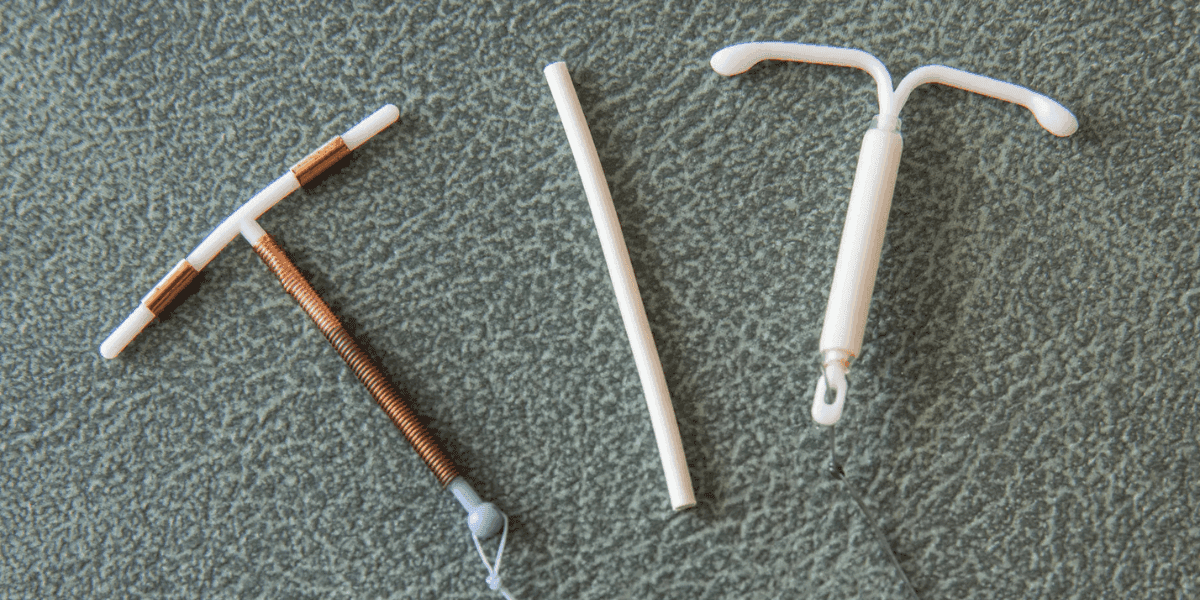
When it comes to long-acting contraception, the choice often comes down to copper IUD vs hormonal IUD. Both options are highly effective at preventing pregnancy, but they work differently, affect periods in unique ways, and may suit different lifestyles and health priorities. In this guide, we’ll break down everything you need to know to decide which IUD is right for you, including how IUDs work, side effects, and which option may fit your needs best.
Considering an IUD? VENUS Women’s Health Supports Women Across Mambourin & Werribee
If you are weighing up the differences between a copper IUD and a hormonal IUD, the women’s health GPs at VENUS Women’s Health can offer individualised, evidence-based guidance. We provide personalised contraception counselling and gentle, patient-centred IUD insertion services for women across Mambourin, Werribee, Wyndham Vale, Tarneit, and surrounding suburbs.
During your consultation, your clinician will discuss:
Whether hormone-free birth control is appropriate for you
How hormonal IUDs such as Mirena work
Expected changes to your menstrual cycle
The benefits and limitations of each IUD type
Your reproductive goals and long-term preferences
If you are exploring copper vs hormonal IUD options in Mambourin or Werribee, our team can help you make an informed, confident decision and provide ongoing support after insertion.
Mechanism: How They Actually Work
Understanding how IUDs work is crucial before making a decision between a copper IUD vs hormonal IUD.
Copper IUD: Copper IUDs are completely non-hormonal. The device is wrapped in copper, which creates an environment in the uterus that is toxic to sperm. This prevents sperm from fertilising an egg and may also stop a fertilised egg from implanting. Because it’s hormone-free, your natural cycle remains largely unaffected. For those seeking hormone-free birth control, a copper IUD is often the ideal choice.
Hormonal IUD: Hormonal IUDs, such as Mirena, release small amounts of progestin directly into the uterus. This thickens cervical mucus, thins the uterine lining, and sometimes suppresses ovulation. Understanding the Mirena mechanism of action explains why many users notice lighter periods and reduced menstrual cramps.
Whether you choose copper or hormonal, both IUDs are over 99% effective at preventing pregnancy, making them among the best IUD options available today.
Effectiveness & Pregnancy Rates
Both copper and hormonal IUDs are extremely effective, with a success rate over 99%, meaning fewer than 1 in 100 users get pregnant each year.
Pregnancies are rare but can happen if the IUD moves out of place or wasn’t inserted correctly. This is why follow-up appointments and checking the IUD strings are essential. Even though the risk is very low, any pregnancy while an IUD is in place should be assessed by a doctor promptly.
The Hormone Question: Deciding Between Copper vs. Hormonal IUDs Which Is Right for Me if I Want to Avoid Hormones?
For many, the choice between a copper IUD vs hormonal IUD comes down to hormones.
If you prefer hormone-free birth control, copper is the clear winner. It provides long-term contraception without affecting your body’s natural hormone levels.
If you are okay with a small dose of local hormones and want potential benefits such as lighter periods or reduced cramps, a hormonal IUD may be more suitable.
It’s also worth noting that hormonal IUDs may have side effects, including IUD weight gain, mood changes, or acne. Comparing Mirena vs Paragard side effects often comes down to your tolerance for hormones and your personal preferences.
Period Management: What Happens to Your Cycle?
One of the main differences between copper IUD vs hormonal IUD is how they affect your period.
Copper IUD: Many users notice heavier, longer periods and stronger cramps initially. Spotting between periods may also occur. If you already have heavy periods, a copper IUD might not be ideal, but it is completely hormone-free.
Hormonal IUD: Hormonal IUDs often lighten periods, reduce cramping, and in some cases may stop periods altogether. This makes them a popular option for those seeking IUD for heavy periods. Spotting can occur in the first few months but usually settles over time.
Knowing these differences is vital when deciding between copper IUD vs hormonal IUD because your period experience can significantly impact satisfaction with your contraceptive method.
Longevity and Cost: Which Lasts Longer?
Copper IUD lifespan: Copper IUDs can last up to 10 years, making them a low-maintenance, long-term option.
Hormonal IUDs: Lifespan depends on the brand, typically 3–8 years. For example, Mirena lasts about 5 years, while newer hormonal IUDs can last up to 8 years (how long does Mirena last).
Cost considerations: Copper IUDs may be more cost-effective over time due to their longer lifespan. Hormonal IUDs may require earlier replacement but offer period control and reduced cramps, which many users find worth the investment.
Side Effects: Copper IUD vs Hormonal IUD Comparing the Most Common Issues
Copper IUD side effects:
Heavier and longer periods, especially initially
Increased cramps
Spotting between periods
Hormonal IUD side effects:
Spotting and irregular bleeding in the first few months
Hormonal effects like acne, breast tenderness, or mild weight gain (IUD weight gain)
Periods may become lighter or stop entirely
Both types are generally safe and well-tolerated. Considering Mirena vs Paragard side effects helps determine which IUD suits your tolerance for hormones and your period management needs.
Common Myths About IUDs
Despite their popularity, IUDs are surrounded by myths that may cause hesitation:
Myth 1: IUDs cause infertility — False. Fertility typically returns quickly after removal.
Myth 2: Hormonal IUDs always cause weight gain — False. Most users tolerate the low-dose hormone well, and any IUD weight gain is usually minimal.
Myth 3: Copper IUDs prevent periods from stopping — True. Copper IUDs are non-hormonal, so periods continue, though flow may increase initially.
Your Personal Choice: 3 Key Questions Before Deciding
Do I want to avoid hormones?
Yes → Copper IUD
No → Hormonal IUD
How are my periods now, and what would I like them to be?
Light and regular, okay with some increase → Copper IUD
Heavy or painful, want lighter or no periods → Hormonal IUD
How long do I want contraception, and what is my budget?
Long-term, low-maintenance → Copper IUD
Shorter-term, want period control → Hormonal IUD
Answering these questions can clarify whether copper IUD vs hormonal IUD is the right fit for you.
Who Should Consider Each Type?
Choosing between a copper IUD vs hormonal IUD depends on health, lifestyle, and reproductive goals:
Copper IUD: Ideal for those wanting hormone-free birth control, regular periods, and long-term contraception (up to 10 years). It’s also suitable for those who want to avoid potential hormonal side effects.
Hormonal IUD: Best for people seeking period control, relief from heavy or painful periods, or comfort with low-dose local hormones. It’s also a good choice for shorter-term contraception or menstrual relief.
Ultimately, both copper IUD vs hormonal IUD are excellent choices for long-term contraception. There’s no single “best IUD” it depends on your priorities: avoiding hormones, managing periods, cost, and convenience. Always talk to your doctor before making a decision. They can help you weigh the benefits and potential side effects, discuss your reproductive goals, and ensure safe insertion and follow-up care.
FAQs
Are IUDs reversible?
Yes, both copper and hormonal IUDs are fully reversible. Fertility typically returns very quickly once removed, often within the first cycle. When deciding between a copper IUD vs hormonal IUD, this reversibility makes both options flexible for those planning a future pregnancy.
Does a copper IUD protect against STIs?
No, neither copper nor hormonal IUDs prevent sexually transmitted infections. Condoms should still be used for STI protection. When comparing a copper IUD vs hormonal IUD, it’s important to remember that both only prevent pregnancy, not infections.
Will a hormonal IUD cause weight gain?
Some users may experience mild IUD weight gain, but this is uncommon. Most people tolerate the low-dose hormone well without significant changes. Choosing between a copper IUD vs hormonal IUD can help you decide which type aligns with your hormone preferences and comfort level.
Can I use an IUD while breastfeeding?
Yes, both copper and hormonal IUDs are safe while breastfeeding. Hormonal IUDs release very little hormone, so they don’t affect milk supply. Considering a copper IUD vs hormonal IUD during postpartum contraception allows you to choose the best option for your body and lifestyle.
If I choose a copper IUD, will my periods definitely get heavier?
Not necessarily. Some women may notice heavier or longer periods and increased cramping during the first few months after insertion, which is a normal adjustment period. Over time, most people find that their cycles settle and return closer to their usual pattern. Individual experiences can vary, and factors such as age, overall health, and previous menstrual flow may influence how your periods respond to a copper IUD.